An emerging practice, drawn from real cross-functional delivery

The RapidAction Method

A practical approach to coordinating actions, blockers, commitments and decisions so cross-functional work keeps moving.

The work between people and teams

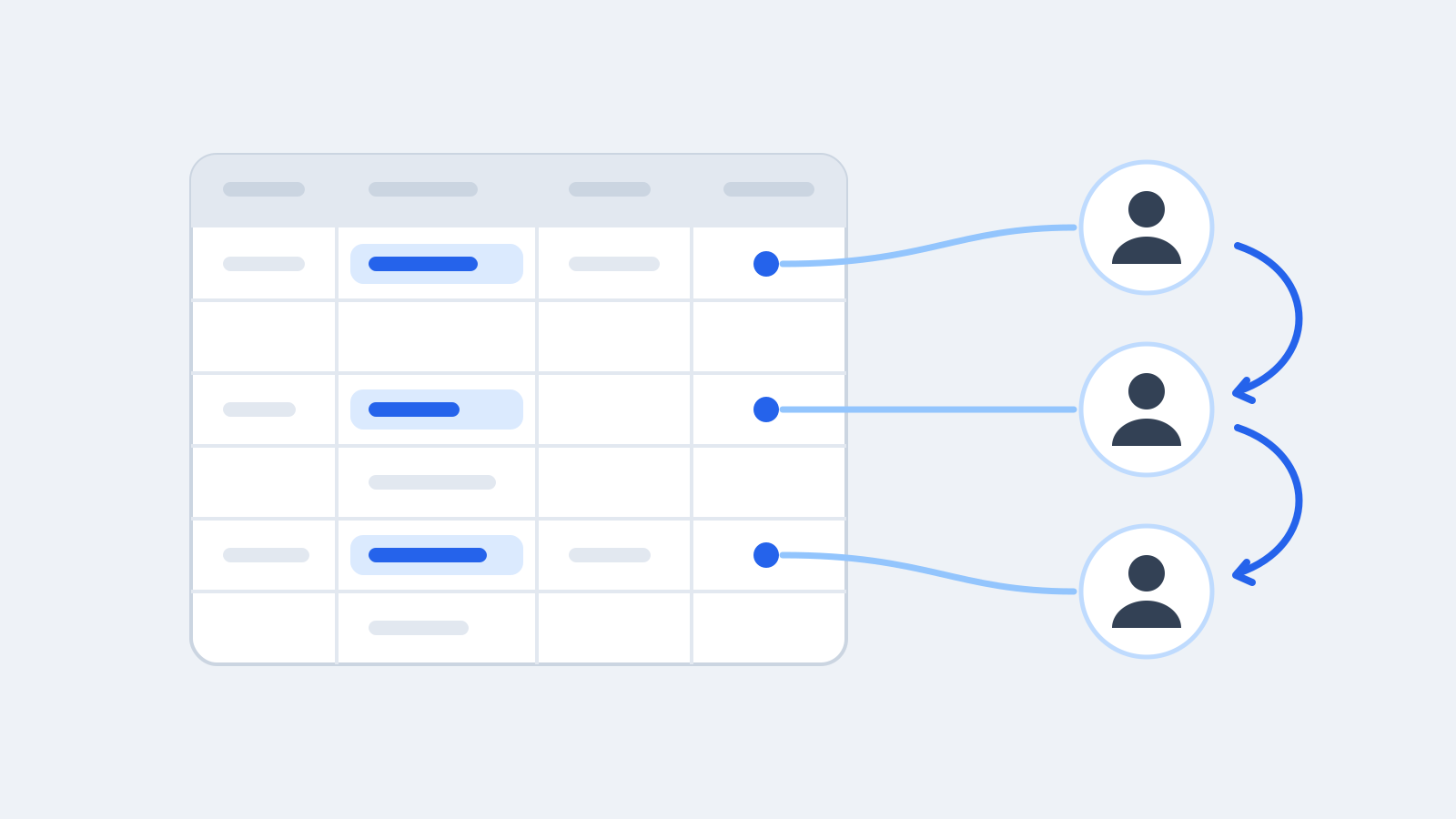
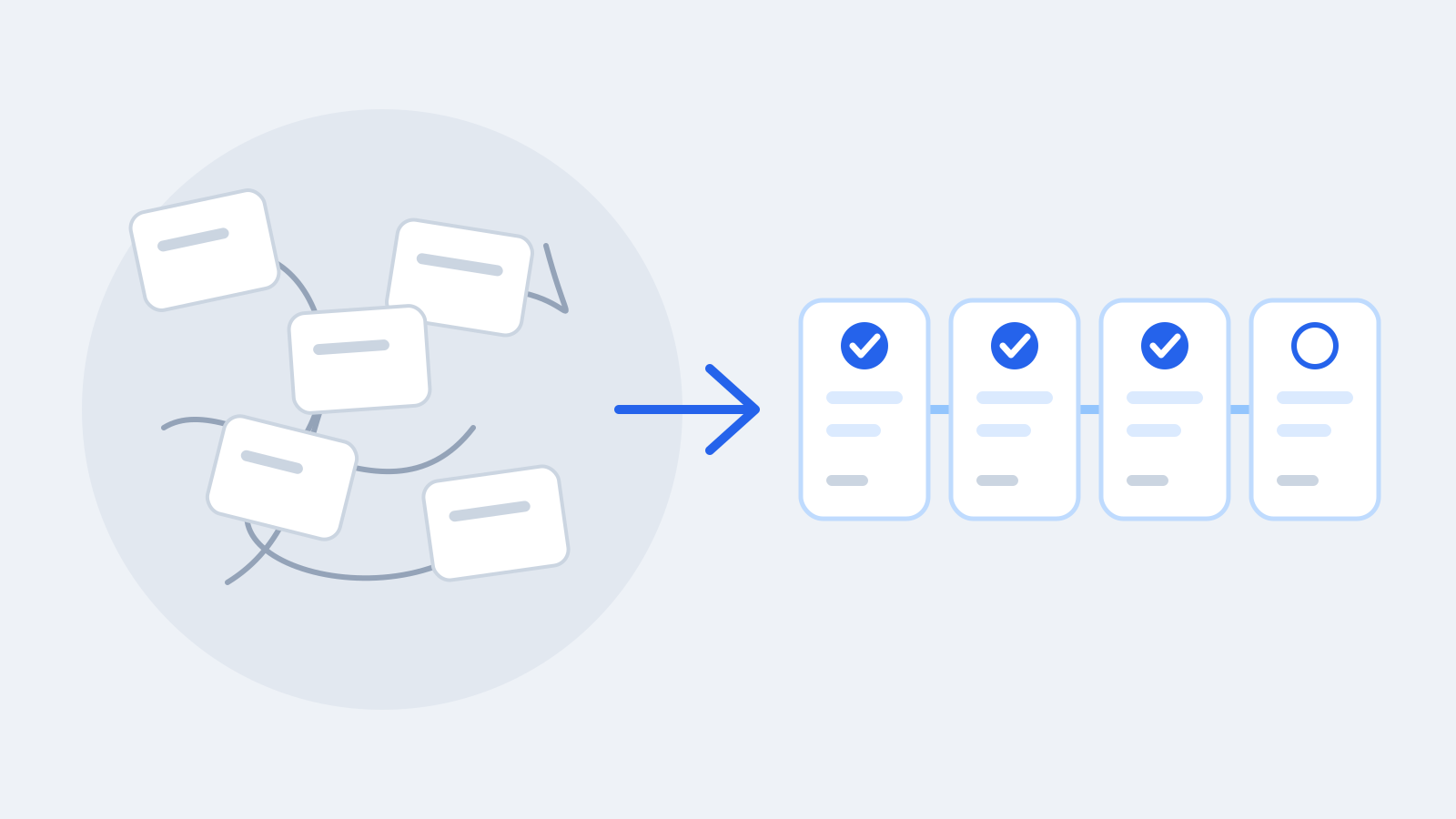
Task management tracks what individuals do. Project management tracks what gets delivered. The work between people and teams — who moves next, what's stuck, what was promised, what must be decided — is where momentum is won or lost.

The method works alongside Agile, Scrum, Kanban and the tools your team already uses. It doesn't replace them; it covers the coordination they leave to meetings and memory.

Four kinds of coordination

They answer different questions, and they end in different ways. Keeping them distinct is what makes them easy to move on.

Six principles

  1. Progress depends on coordination, not just completion.
  2. Every action, commitment and decision needs one named owner.
  3. Accountability follows the work, not the meeting calendar.
  4. Close things when they're finished; raise blockers when they appear.
  5. Review exceptions, not status.
  6. Keep the process light; accountability supports follow-through, not blame.

Cadence

Three rhythms that are easy to confuse:

Target date
When an action or commitment was agreed to be delivered. It stays meaningful whatever the meeting schedule is.
Daily coordination cadence
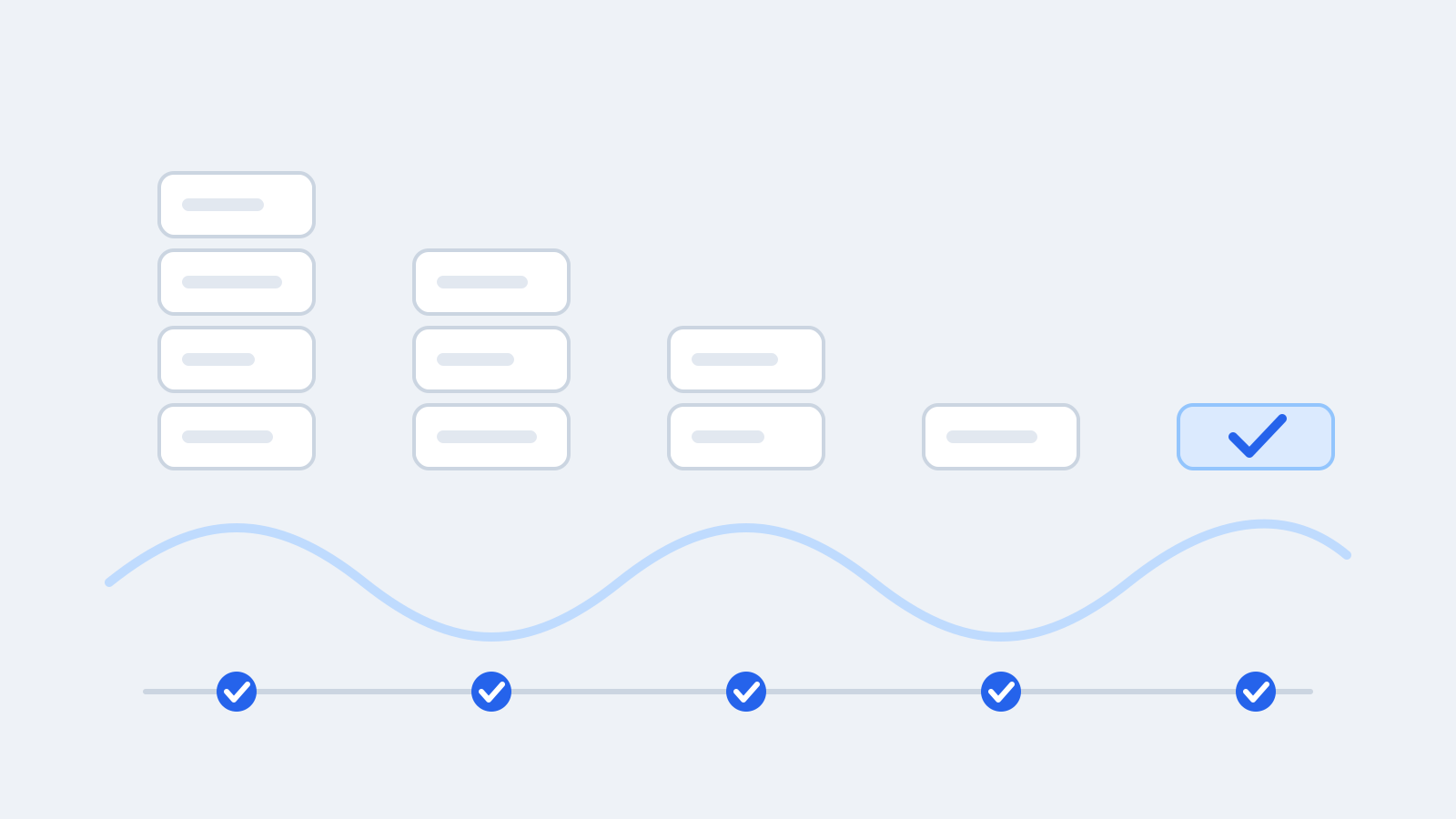
A short, preferably asynchronous daily look at what's due, what's drifting, what's blocked and what can now be closed.
Meeting cadence
How often people actually convene — driven by decisions and exceptions, not used as the main way to hold people to account.

This is not a compulsory daily meeting, and it is not a promise of faster delivery. It is a way to remove avoidable waiting. People are brought together only when a discussion or a decision needs them.

Momentum is built through follow-through.

Momentum isn't a mood. It is what happens when ordinary coordination is done quickly and consistently: actions are closed, blockers are removed, commitments are kept or renegotiated, and decisions are made and recorded. Less waiting, less ambiguity, less drift.

Guides

Practical reading on the problems the method addresses.

Where the software fits

RapidAction is the workspace we built for this way of working: Actions, Blockers, Commitments and Decisions on the work they belong to, each with one clear accountable person and a relevant date.

A work item's side panel beside the Work Grid, showing its Coordination section: an overdue, high-severity blocker with its resolution owner and target date, and an overdue commitment with who promised it and for when

Keep work moving.

RapidAction is opening to a small number of teams at a time. Tell us what you're coordinating.