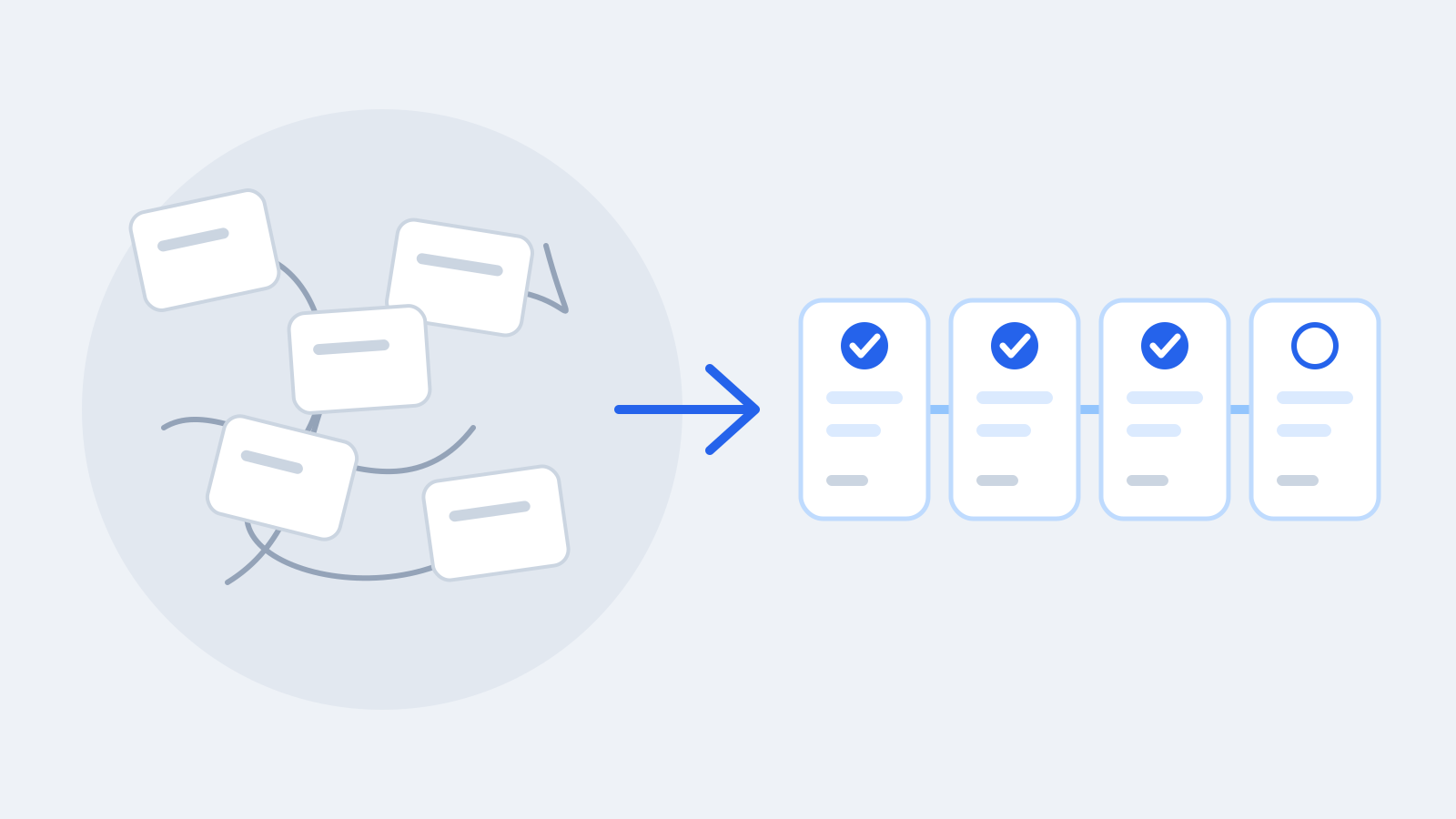
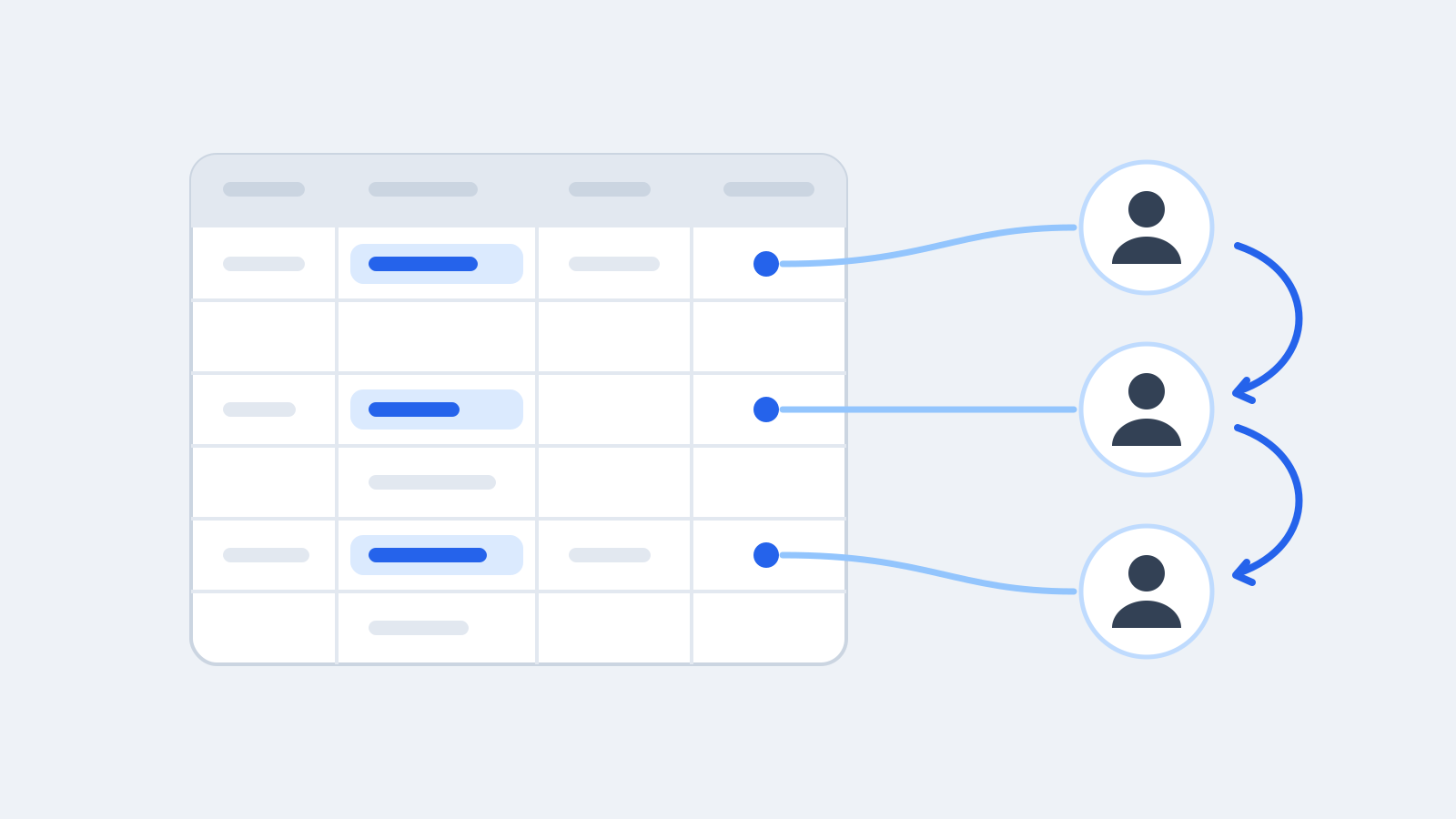
Don't let the next meeting become the deadline
When accountability only happens weekly, work drifts until the day before the meeting. A short, preferably asynchronous daily check keeps commitments visible and brings blockers and decisions forward — without adding another meeting.
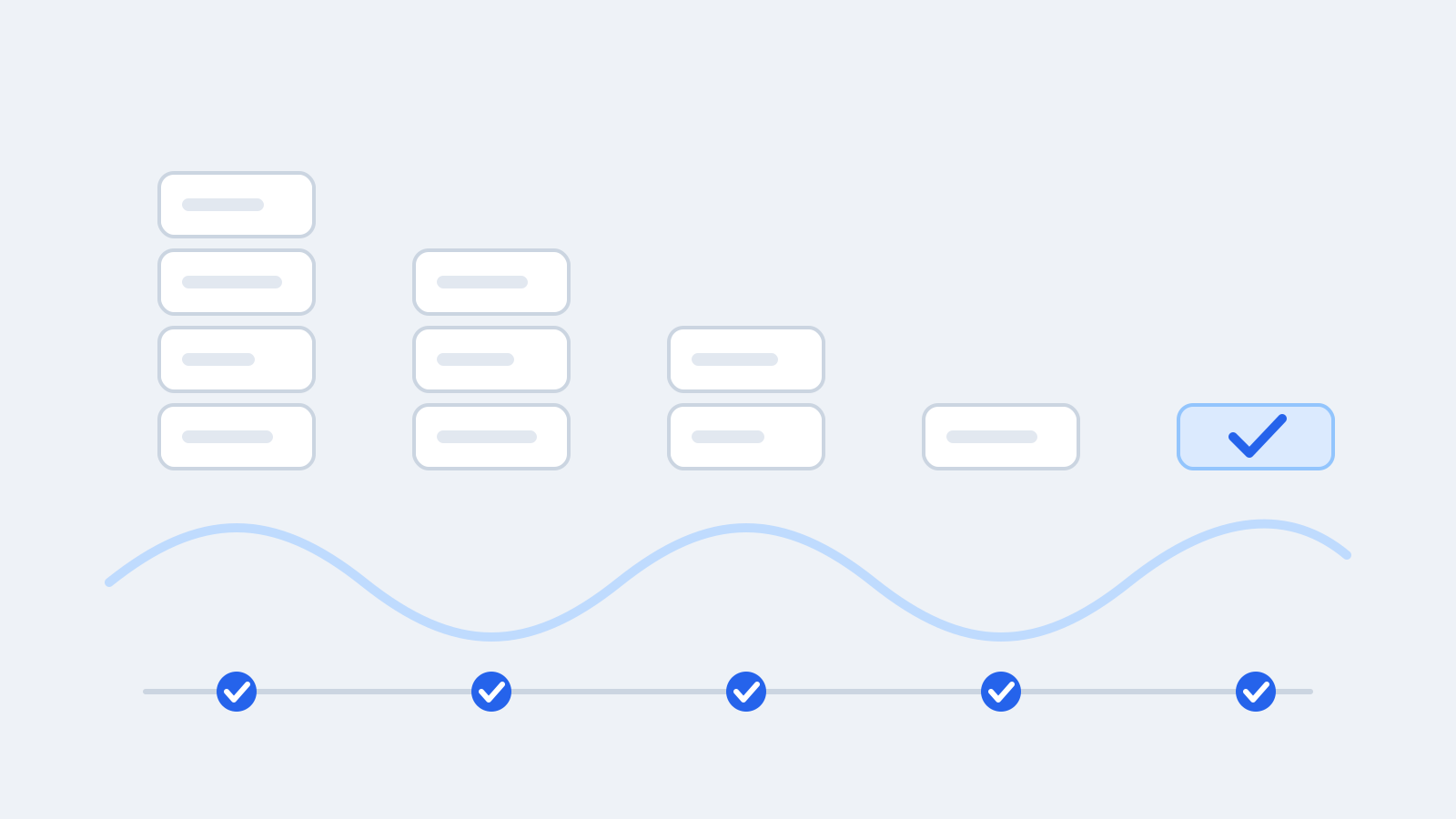
Think about the last action you were given in a weekly meeting. When did you actually do it?
For many people the honest answer is "the day before the next meeting". Not because they are careless, but because the meeting is where the action will be checked. The agreed date said Tuesday; the real deadline became next Monday afternoon. Multiply that across a cross-functional programme and you get meeting-driven drift: work that could have moved days earlier waits for the calendar.
Three different rhythms, often confused
It helps to separate three things that teams tend to merge.
- The target date is when an action or commitment was agreed to be delivered. It stays meaningful whatever the meeting schedule is.
- The coordination cadence is how often someone looks at what is due, what is drifting, what is blocked and what can now be closed.
- The meeting cadence is how often people actually convene.
When the meeting is the only coordination cadence, the target date stops mattering between meetings. A slip on Tuesday is noticed the following Monday. A blocker raised on Wednesday reaches the people who can clear it a week later. A decision that could be made in five minutes waits five days for a slot on the agenda.
A lightweight daily check
The remedy is not another meeting. It is a short, regular look at the coordination that is already recorded, done by each owner, ideally asynchronously:
- What is mine and due soon? Anything due in the next few days that is not on track gets an update now, not at the meeting.
- What can I close? Finished actions are closed today. Decisions that have been made are recorded today.
- What is stuck? A new blocker is raised when it appears, with someone named to resolve it.
- What did I promise? If a commitment will not be met, say so now and agree a new date, openly.
Ten minutes is usually enough. People are brought together only when a discussion or a decision actually needs them.
What this is not
A daily cadence is easy to get wrong, so it is worth being clear about its limits.
- It is not a compulsory daily meeting. Most days, nobody needs to talk to anybody.
- It is not a promise of faster delivery. Some work genuinely takes longer. The aim is to remove avoidable waiting, not to impose arbitrary deadlines.
- It is not surveillance. Accountability supports follow-through, not blame. If the check feels like being watched, the process is too heavy.
What changes for the weekly meeting
When coordination happens daily, the weekly meeting can stop being a status read-out. It can focus on exceptions: the work that is blocked, at risk or overdue, and the decisions that need the people in the room. Review exceptions, not status. Meetings can become shorter, or rarer, and change the state of the work instead of just reporting it.
Where RapidAction fits
RapidAction is built so that the target date stays visible between meetings. My work gathers everything you own or contribute to across projects, and the Dashboard shows what is coming up in the next two weeks and what is waiting on you, alongside the work that is blocked, at risk or overdue. Actions are closed and decisions recorded on the work item itself, so the record can keep up with the work.
If your team's real deadlines are set by the meeting calendar, request early access or talk to the founder. The RapidAction Method explains the principles behind this cadence.