Why work stalls even when every task is tracked
Action drift is the slow loss of momentum in the work between tasks: the next step nobody owns, the blocker only one person knows about, the promise that quietly slips. Here is how to spot it and repair it.
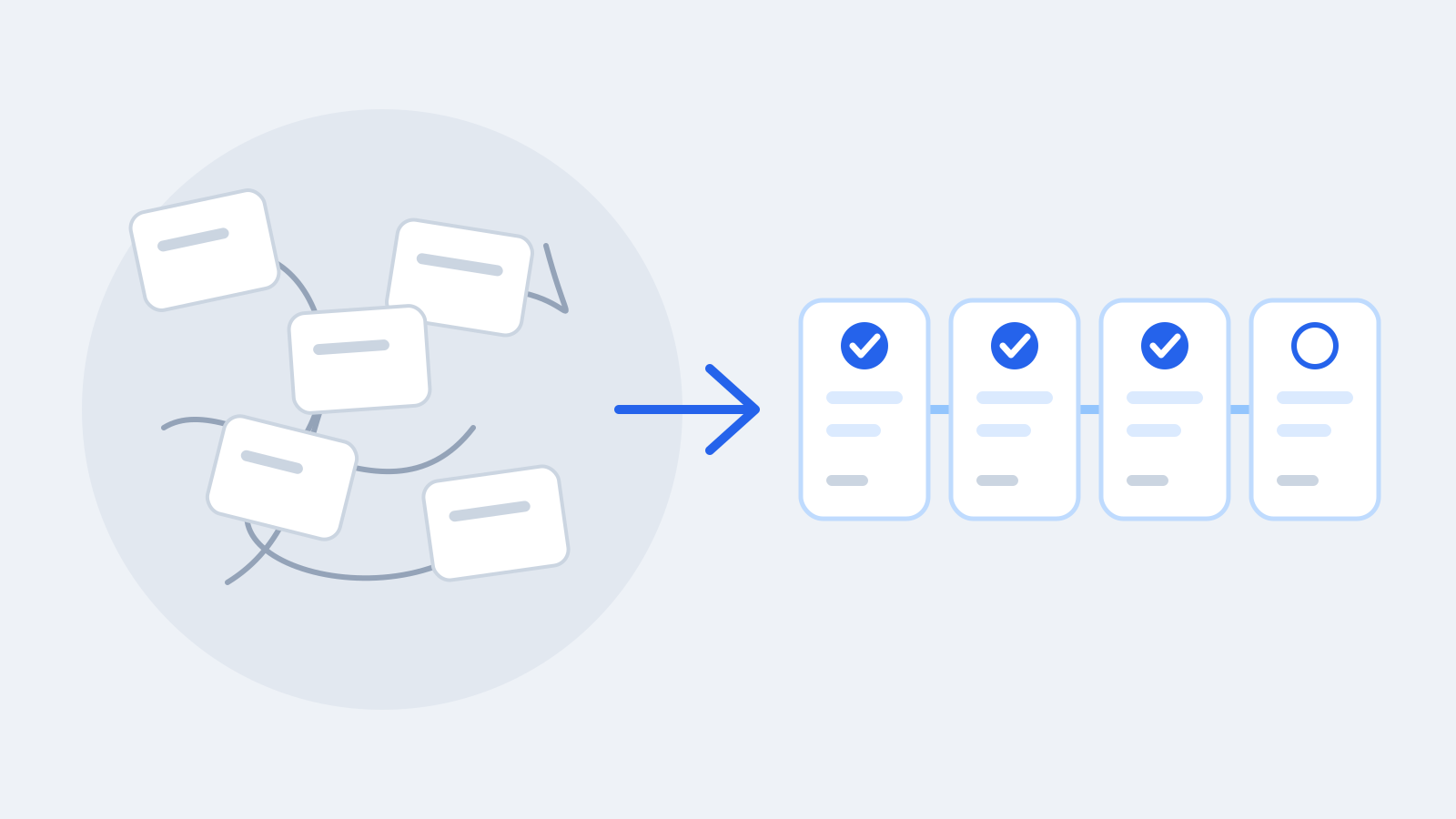
Most teams that feel stuck are not short of tasks. The backlog is full, the tickets are tidy and the board is up to date. Yet the same items come back to the weekly meeting, the same questions stay open, and a date that looked safe a fortnight ago is suddenly at risk.
That pattern has a name worth using: action drift. It is what happens in the work between the tasks.
What action drift looks like
Action drift rarely announces itself. It shows up as small, reasonable-sounding gaps:
- A next step that nobody owns. Everyone agrees something should happen. Nobody has said who will do it, or by when.
- A blocker that lives in one person's head. It was mentioned in a call. The people who could clear it hear about it a week later.
- A promise that slips without anyone saying so. A colleague said "I'll have it by Thursday". Thursday passes, and the new date is never stated.
- A decision that waits for the next meeting. The question is clear. Nobody is accountable for answering it, so it is carried forward again.
None of these is a failure of effort. Each is a failure of coordination: the work is known, but its owner, its date or its state is not.
Why tracking tasks does not prevent it
Task and ticket tools are good at recording what an individual will build or fix. Action drift happens in four other kinds of work, each with its own question:
| Kind | The question it answers | How it ends |
|---|---|---|
| Action | What needs to be done? | Done, or deliberately cancelled |
| Blocker | What is preventing progress? | Resolved |
| Commitment | What has someone promised? | Kept, or openly withdrawn and renegotiated |
| Decision | What needs deciding, and by whom? | Decided and recorded |
When these are treated as comments, meeting notes or a line in someone's spreadsheet, they lose the two things that keep them moving: a named owner and a relevant date.
Three practices that repair it
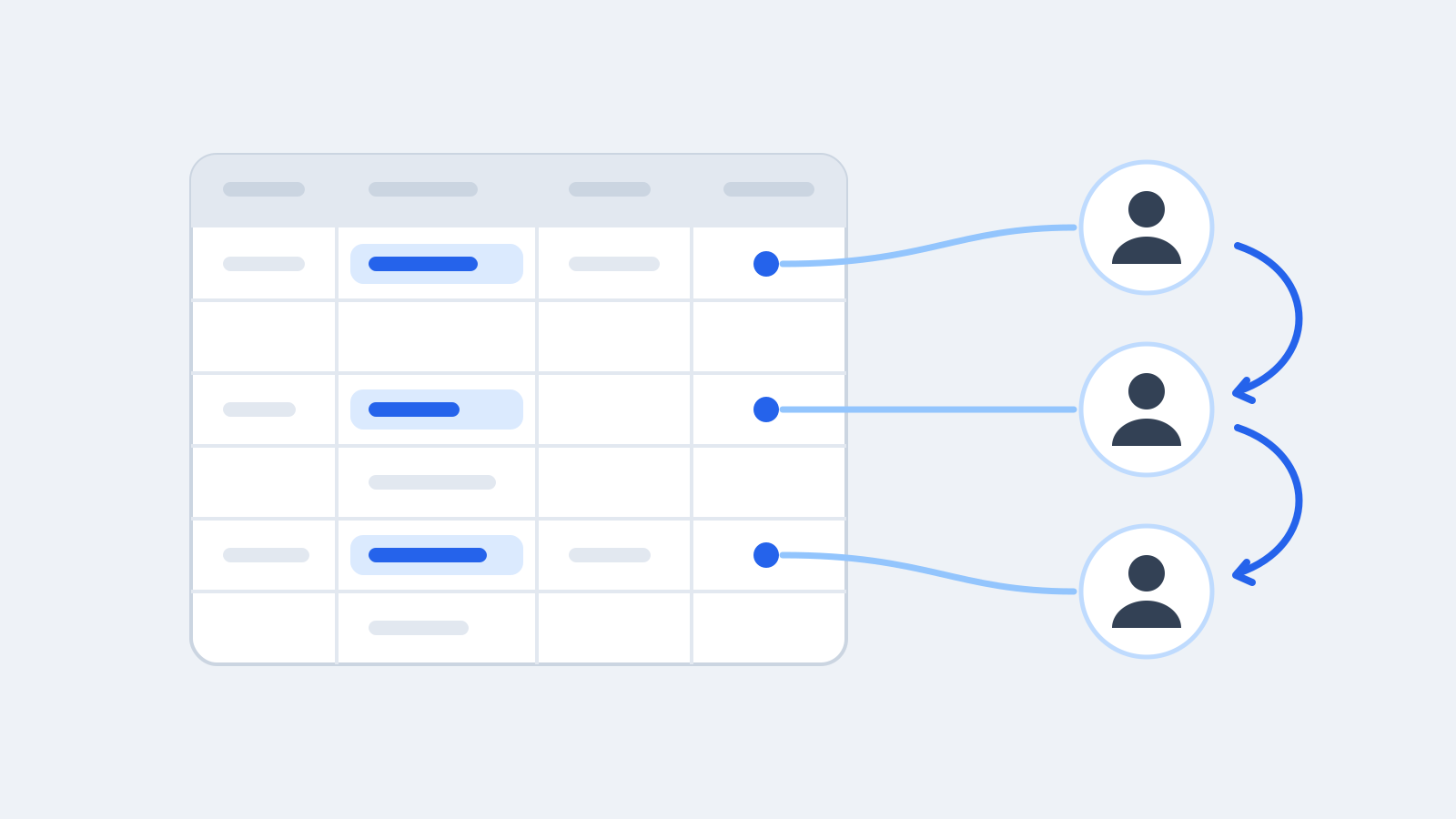
1. Give every record one named owner
Not a team, not "us", not a committee. One person who is accountable for moving it on. If you only know which department is involved, say so plainly and treat the missing name as something to resolve. An owner who is outside the team can still be named; what matters is that it is explicit.
2. Close things when they are finished, and raise blockers when they appear
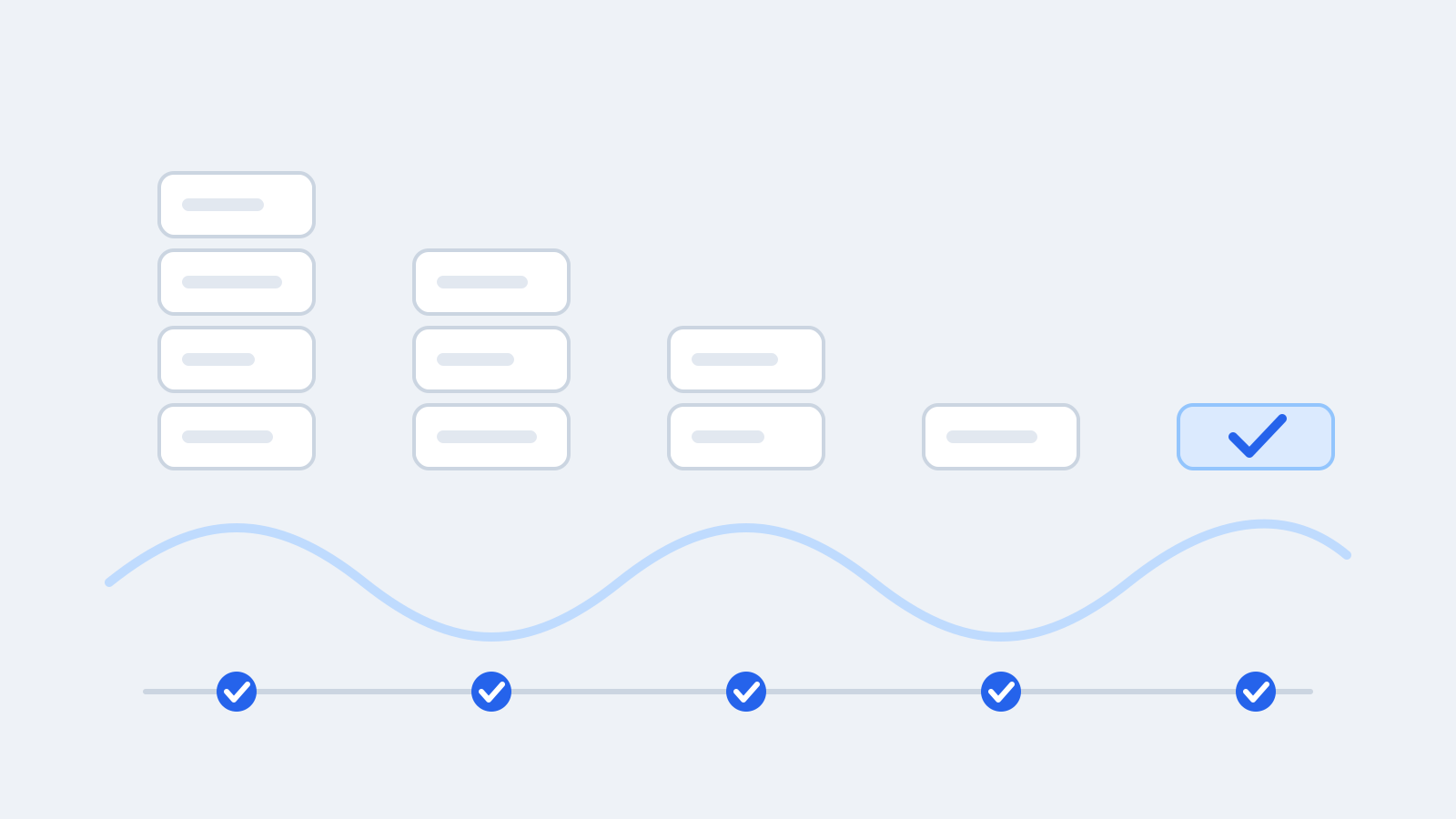
Drift grows in the gap between something changing and the change being recorded. An action that is done but still open looks like work. A blocker that is known but not raised looks like progress. Recording the change when it happens, not when the next review comes round, removes most of that gap.
3. Make missing information visible
The most dangerous coordination record is the one that looks complete but is not: an action with no owner, a commitment with no date, a decision nobody is accountable for. Rather than hiding those gaps, show them, so they can be fixed while fixing them is still cheap.
How to tell whether it is working
You do not need new metrics. Look at the next review and ask:
- How many items came back unchanged from last time?
- How many open items have no named owner, or no date?
- How many blockers did people hear about for the first time in the meeting?
If those numbers fall, momentum is returning. Momentum is built through follow-through, not through more status reporting.
Where RapidAction fits
We built RapidAction for this kind of coordination. It puts Actions, Blockers, Commitments and Decisions on the work they belong to, supports one clear accountable person per record, and shows when ownership or a date is missing. The Dashboard counts what is blocked, at risk or overdue, so exceptions are visible without waiting for the meeting.
If this is the problem you are working on, request early access or talk to the founder. For the thinking behind these practices, read about the RapidAction Method.